"This crew was awesome! I had an exterior fence painted and the work is impeccable. Really elevated my chain link fence f…"
RAPUNZEL TWELVE


We paint across Livingston, Montclair, and Morristown with consistent prep, premium products, and a 3-year transferable warranty. Our New Jersey crew specializes in interior repaints, exterior siding refresh, cabinet refinishing, deck staining, drywall repair, and limewash, all engineered to hold up against New Jersey's four-season Mid-Atlantic climate.

Transform your living spaces with flawless color and finish.

Curb appeal that lasts. Expert coatings for every climate.

Professional-grade finishes that elevate your business space.

Refresh your kitchen with a smooth, factory-quality finish.

Authentic European lime-based finishes for timeless texture and depth.

Breathe new life into brick with lasting, beautiful color.
Transform your living spaces with flawless color and finish.
Curb appeal that lasts. Expert coatings for every climate.
Professional-grade finishes that elevate your business space.
Refresh your kitchen with a smooth, factory-quality finish.
Authentic European lime-based finishes for timeless texture and depth.
Breathe new life into brick with lasting, beautiful color.
Trusted Paint Partners
"This crew was awesome! I had an exterior fence painted and the work is impeccable. Really elevated my chain link fence f…"
RAPUNZEL TWELVE
"I hired the company to put up wallpaper. Great service. Professional, timely and tidy. They were very respectful of my h…"
palisa kelley
"We had them power wash our large home, fence and court! They did an excellent job!"
Suzanne Fahy
"Great communication, very professional work and awesome pricing. These guys do a fantastic job!! Highly recommend. From…"
John Pizzi
"This crew was awesome! I had an exterior fence painted and the work is impeccable. Really elevated my chain link fence f…"
RAPUNZEL TWELVE
"I hired the company to put up wallpaper. Great service. Professional, timely and tidy. They were very respectful of my h…"
palisa kelley
"We had them power wash our large home, fence and court! They did an excellent job!"
Suzanne Fahy
"Great communication, very professional work and awesome pricing. These guys do a fantastic job!! Highly recommend. From…"
John Pizzi
"Did a great job. Workers were nice and cleaned up nicely every day. Would recommend"
Nikki G
"They did an excellent job power washing our outdoor patio and paving stones. I highly recommend them."
Eugene Kennedy
"That 1 Painter did an outstanding job painting multiple classrooms within our elementary school in a neat and timely man…"
Scott Bellows
"Has a great experience with this company. They were able to color match paints where I didnt know what the color was, th…"
Brian Gonsar

Owned by Jeff Plotkin, That 1 Painter Essex brings local accountability and a 3-year warranty to every Livingston, Montclair, and Morristown project. Our services cover interior painting, exterior painting, cabinet refinishing, and specialty finishes.
Your painting project means as much to us as it does to you. We're licensed and insured, and our promise is simple: we'll be your best house guests, treating your place with the utmost care and leaving it even more pristine than when we arrived.
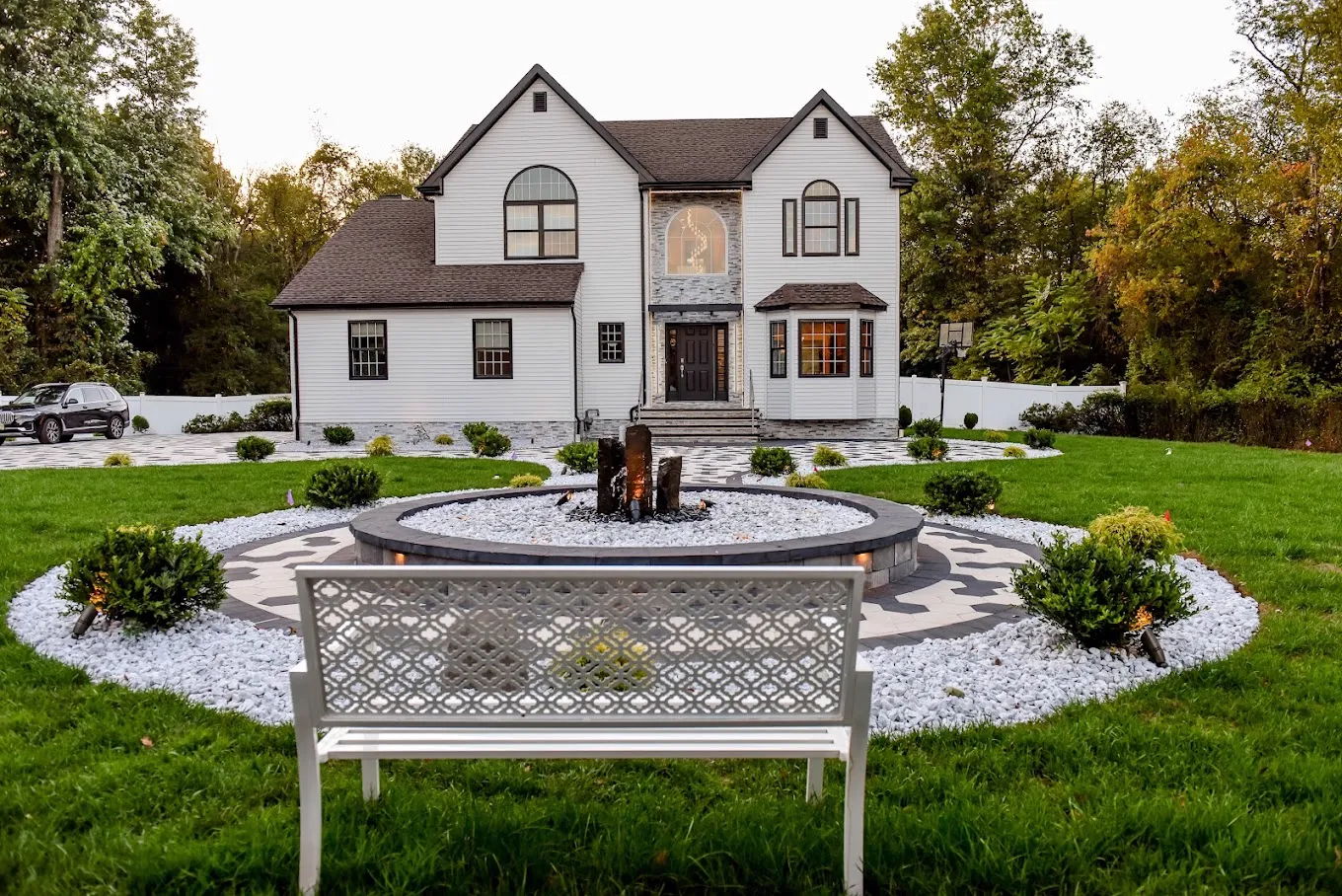
That 1 Painter Essex serves the 25 communities below, from the Victorians of Montclair and the estate blocks of Short Hills and Summit to the historic green in Morristown and the commuter-town colonials of Morris County.
Bernards Township grew in waves, and Basking Ridge shows all of them on one drive: eighteenth century farmhouses near the old oak and the churchyard, 1960s split-levels on wooded acre lots, and the townhouse clusters at The Hills built through the 1980s. Most of the older interiors still carry plaster over lath, which cracks along ceiling seams every time the heating season swings dry. Outside, mature oaks shade north walls for most of the day, and northern New Jersey summers keep that side damp long after a storm passes. Cedar siding and exposed trim on the wooded lots take the worst of it.
Scope on a Basking Ridge house starts with the wood that never dries. We probe fascia, rake boards, and window casings, replace what is soft, then move into exterior painting with a system rated for shaded elevations. Plaster in the older rooms is bridged and skim coated before interior painting, because filler alone reopens by February. Kitchens in the split-levels tend to have solid frames under tired doors, and cabinet painting resets them in a week instead of a month. Every proposal we write here carries a three-year transferable warranty, printed on the estimate you sign.
Berkeley Heights sits on the first ridge of the Watchungs, and the housing tells a Union County story: Free Acres cottages built as a summer colony and winterized piecemeal, postwar capes and ranches filling the blocks off Springfield Avenue, and larger newer homes squeezed onto the last open parcels. The cottages are the tricky ones, since decades of additions mean three siding profiles on one house and coating layers going back generations. Wind comes over the ridge hard in winter, driving rain against west walls, then the humid season settles in and mildew claims whatever the sun cannot reach by noon.
Two prep paths run through this borough. Layered older siding gets scraped, feathered, and spot primed so the new film has something stable underneath, then the elevations close out with exterior painting. Newer construction usually needs sealant work at trim joints more than surface repair. Indoors, the low ceilings in the capes make color and sheen choices matter more than they would in a tall room, so we sample before interior painting begins. Berkeley Heights kitchens of that era are compact and worth saving through cabinet painting. Coverage runs three years and follows the house to the next owner.
Bernardsville splits between the village around Olcott Square and the mountain above it, where the estate era left stone and stucco houses on long private drives. Down in the village, Mine Brook holds smaller frame homes and converted carriage properties, some with twelve over twelve sash that has been reglazed more than once. The mountain houses carry deep eaves, heavy cornice work, and stucco that hairline cracks as the substrate moves. Tree cover is dense enough that some elevations never see direct sun, and Somerset Hills humidity keeps organic growth alive on those faces well into October.
Access dictates the plan up on the mountain, so staging, ladder placement, and lift routes get settled before anyone opens a can. Stucco is patched and the hairlines bridged with an elastomeric layer under exterior painting, and old sash is reglazed rather than swapped where the wood is sound, which falls under repair and maintenance. Village interiors run to formal rooms with deep trim profiles, brushed by hand during interior painting. Butler pantries and original kitchen cases respond well to cabinet painting when the joinery is tight. Three years of transferable coverage closes out the Bernardsville file.
Chatham reads as two municipalities and one housing market. The borough grid near Main Street holds 1920s colonials, four squares, and porch-front frame houses on tight lots, while the township spreads into 1950s and 1960s splits and ranches off Fairmount Avenue. Renovation pressure is constant, so a single block can have a gutted-to-studs interior next door to a house that still has original plaster, brass hardware, and a coal chute. The Passaic bottomland to the east keeps ground moisture high, and the older frame stock takes that up through sills and porch decks.
Prep on a Chatham colonial is mostly patience: wash, scrape the failing layers, spot prime bare wood, and rebuild sill and porch members before exterior painting goes on. We keep the crisp trim lines those houses were designed with instead of fattening them with heavy film. Wall repair and ceiling seams come first inside, then interior painting runs room by room so a family can stay put. Older kitchens with sound face frames come back through cabinet painting at a fraction of a replacement budget. The three-year transferable warranty applies to every address we finish.
Denville is lake country inside Morris County. Indian Lake, Cedar Lake, and Rainbow Lakes started as summer bungalow colonies, and hundreds of those small cottages were later winterized, raised, or expanded into year-round homes. That history leaves odd geometry: shallow crawl spaces, additions on posts, wood decks stepping down to the water, and siding that changes material halfway up a wall. Water is always nearby, so humidity readings stay high and shaded lakefront elevations dry slowly. The few blocks of older commercial and mixed-use buildings downtown have their own maintenance rhythm tied to storefront hours.
Lakefront work starts at the deck and the rail, where fasteners rust and boards cup. Those surfaces are corrected first, and deck staining is specified with a product that tolerates constant damp. Wall elevations facing the water get a mildew-resistant build during exterior painting. Bungalow interiors are small, so we sequence tightly and keep the house livable through interior painting, and the tiny original kitchens gain the most from cabinet painting. Denville owners get the same three-year transferable term as the rest of the territory.
East Hanover was farmland into the middle of the last century, and the residential fabric that replaced it is remarkably even: brick-front ranches, bi-levels, and center-hall colonials built between 1955 and 1980 on flat, generous lots. Many are still with original families, which means original aluminum storm units, original soffit wood, and forty years of touch-ups in slightly wrong colors. The Whippany River runs the northern edge and the water table sits close, so basements stay damp and the lowest courses of siding hold moisture into the fall. Deferred trim work is the pattern across the township.
The common East Hanover request is a full envelope reset after decades of patching. We strip the failed areas, treat chalking on aluminum, correct soffit and fascia rot under repair and maintenance, then unify everything with exterior painting. Popcorn ceilings from the original build are common and get removed and finished before interior painting starts. Oak kitchens of the same vintage are heavy, well built, and ideal candidates for cabinet painting. Written coverage lasts three years and transfers with the property.
Florham Park keeps a quiet mix: Brooklake capes and ranches from the fifties, larger colonials on the wooded blocks north of Columbia Turnpike, and newer construction on redeveloped corporate parcels. The older half of the borough has the maintenance history worth reading, with cedar shake that was coated once too often, storm doors added in three different decades, and garages converted to living space with mismatched siding. Morris County winters swing between hard freeze and thaw in the same week, and that cycle is what opens caulk joints and lifts film at the horizontal surfaces first.
Estimates get written elevation by elevation, since a south face and a tree-shaded north face rarely want the same system. Failed joints are cut out and resealed, then exterior painting proceeds with the horizontal trim taking an extra build. Converted garage rooms usually need drywall correction before interior painting can start, and we handle that in the same visit. Kitchens in the Brooklake capes are dated but structurally sound, which is the whole argument for cabinet painting over a gut. Florham Park jobs close with three years of transferable coverage.
Livingston built out fast after the war and again in the 1990s, so the township holds two distinct housing generations side by side. Older sections around Northland and Riker Hill are ranches and splits with original plaster or early drywall; newer blocks carry large colonials with two-story entries, cultured stone fronts, and composite trim. Teardown and rebuild activity keeps changing the streetscape. Essex County weather is the constant, with freeze and thaw working the joints all winter and August humidity pushing mildew onto anything the sun misses. Sun-beaten front doors and south-facing garage panels fade first on the newer houses.
On the older Livingston ranches, our crews focus on wood at the eaves and around chimney flashing, replacing bad members ahead of exterior painting. On the newer colonials the real work is sealant, since builder caulk at the trim returns rarely survives a decade. Two-story foyer walls need proper staging to hold straight cut lines during interior painting, and we plan that rather than reaching. Nineties kitchens here are almost all sound maple or oak, and cabinet painting changes the room without changing the layout. Coverage: three years, transferable, in writing.
Madison's downtown blocks near Bottle Hill hold Victorians and early colonials with the decorative wood that era loved: bracket work, turned porch posts, fish-scale gable shingles, and window casings with real depth. Streets off Kings Road move into 1920s and 1930s stock, then postwar ranches on the edges. The borough is small, walkable, and heavily treed, which is pleasant for residents and hard on exposed wood, because shade plus mid-Atlantic damp keeps the north and east faces from drying between rains. Layer count on the oldest houses is high enough that stripping, not sanding, is often the honest answer.
Detail work sets the schedule on a Madison Victorian. Porch spindles, brackets, and gable shingles are handled by hand, soft members are rebuilt, and only then does exterior painting go on in a full three-part build. Interiors in these houses have deep baseboards and plaster with hairline mapping, both corrected ahead of interior painting. Where a period kitchen still has its original casework, cabinet painting keeps the joinery and loses the yellowed finish. Owners here receive the same written three-year transferable warranty we put on every house.
Mendham keeps more open land than most of the territory, and the housing follows the topography: eighteenth and nineteenth century farmhouses along Main Street and out toward Ralston, larger custom homes on hillside acreage, and the small dense pocket around Brookside. Stone foundations, wide clapboard, and standing-seam roofs are common on the oldest properties, several of which have had modern additions grafted on with entirely different materials. Exposure is severe on the ridges, where wind drives rain sideways in winter and no tree cover slows it down. Southern-facing clapboard chalks fast under that much direct sun.
Wind-loaded elevations need a heavier film and tighter joint work, so the Mendham specification differs from a sheltered village house. Clapboard is back-primed where it is replaced, nail heads are set and spotted, then exterior painting goes on with attention to end grain. Farmhouse interiors carry uneven plaster and wide trim, and we correct the wall planes before interior painting rather than lighting up every ripple. Old pantries and simple frame kitchens hold up well under cabinet painting. A three-year transferable term is part of the agreement.
Montclair is the Victorian showpiece of Essex County, and its painted-lady detail work is not decoration anyone can skip. Estate Section houses carry three and four color schemes across shingle courses, brackets, dentil runs, and turned porch work, while Upper Montclair and the South End add shingle style, Tudor, and 1920s center halls. Interiors still hold plaster, picture rail, and quarter-sawn oak in enormous quantity. Trees are old and tall across the township, so upper stories bake in summer while porch ceilings and north elevations stay damp, and both conditions attack the same house differently.
A Montclair scheme is planned before it is executed: color placement mapped by element, sample boards approved on the wall, then a long prep pass over the decorative wood. Loose material is removed to a sound edge and primed, and exterior painting is applied in a build heavy enough to survive full sun on a third story. Plaster repair and trim work carry the indoor scope through interior painting, and butler pantry casework is preserved with cabinet painting. Our three-year transferable warranty stays with the house when it changes hands.
Morris Plains is compact, and its stock leans to modest colonials and capes on small lots between Speedwell Avenue and Mountain Way, with a ring of 1960s ranches beyond. It is a borough of long ownership, so the maintenance record is usually visible in the film itself: three or four color changes, aluminum-wrapped trim in one place and bare wood in another. The Morris commuter towns share this pattern of steady upkeep followed by a long deferral. Winter road salt reaches the lower siding on the houses closest to the corridor, dulling the finish first at grade.
Because our office sits on Speedwell Avenue, Morris Plains jobs get scheduled tightly and checked often. Low siding is washed and de-glossed, wrapped trim is opened where rot is suspected, and the sound sections are unified during exterior painting. Cape interiors have knee walls and sloped ceilings that need careful masking, handled inside interior painting with dust control that respects a lived-in house. Cabinet doors from the sixties are solid stock and come back beautifully with cabinet painting. Three years of transferable coverage is written into the estimate.
Morristown's historic green anchors a downtown ringed by federal and Greek revival buildings, and the residential streets behind them hold colonial revivals, brick rowhouses, and large frame houses divided into apartments generations ago. Rental density near the train is high, and turnover shows on stair halls and unit doors. Around the historic district, exterior changes are watched closely, so color and material choices carry more weight than they would in a subdivision. Older window sash, coated brick, and porch decking are the three assemblies that fail first under Morris County freeze and thaw.
Landlord scopes and owner scopes are priced differently in Morristown. Multi-unit buildings get durable washable systems and fast between-tenant sequencing under interior painting, while storefront and office frontage downtown is scheduled after hours through commercial painting. On single-family houses near the green, sash is reglazed and porch members rebuilt before exterior painting is applied in period-appropriate colors. Kitchens with solid face frames are candidates for cabinet painting. Whatever the building type, the warranty runs three years and transfers.
Mountain Lakes was developed as a planned community with hundreds of stucco and frame houses built to a small set of Hapgood designs, and that consistency is unusual anywhere in Morris County. Deep overhangs, casement windows, sleeping porches, and stucco walls appear again and again around the Boulevard, Birchwood Lake, and Crystal Lake. Consistency also means shared failure modes: hairlines at the stucco corners, porch ceilings that stain, and trim coated so many times the profiles have gone soft. Four lakes inside the borough keep the air damp and the shaded north walls slow to dry.
Stucco governs the Mountain Lakes approach. Cracks are opened, filled, and bridged with a flexible layer, then a breathable system goes on during exterior painting so trapped moisture can still escape. Porch ceilings and soffits are stain-blocked before finish, and rotted trim is rebuilt as part of repair and maintenance. Indoors, plaster in the original houses is patched and re-planed ahead of interior painting. Original kitchen casework here is worth keeping, and cabinet painting is how we keep it. Coverage runs three years and moves with the deed.
New Providence divides between the Murray Hill side, where corporate research money built solid mid-century houses, and the older borough streets near Salt Brook with smaller colonials and capes. Lots are tidy, houses are well kept, and most owners maintain on a schedule rather than waiting for failure. What still shows up is trim wear on the sunny front elevations, chalked aluminum on the mid-century homes, and interior walls that have taken thirty years of family traffic. The Passaic corridor holds fog in the low blocks on spring mornings, which slows drying more than people expect.
Maintenance-minded owners get a maintenance-minded plan. We document the failing areas, wash and de-chalk the aluminum, correct the trim, and hold the schedule to dry windows during exterior painting instead of racing a forecast. Indoor scopes in New Providence are usually room-by-room refreshes, with wall repair and clean sight lines the priority for interior painting. Kitchens are often mid-century originals in good structural shape, and cabinet painting modernizes them without new boxes. Every agreement includes the three-year transferable warranty.
Parsippany is the largest municipality on this list and the least uniform. Lake Hiawatha holds tight blocks of small postwar houses, Mount Tabor is a preserved camp-meeting village of tiny ornate Victorians on lanes barely wide enough for a truck, Lake Parsippany has converted bungalows, and the Troy Hills sections run to splits and colonials. Add condominium clusters and office frontage along the interstate corridors and you get four different maintenance problems inside one township. Traffic grime settles on the houses near the highways, and it has to come off before anything else happens.
Every Parsippany estimate begins with a wash, because film applied over road film fails early. In Mount Tabor the gingerbread trim is cut in by brush with careful color separation, then exterior painting completes the elevations. Bungalow and split interiors get patching, ceiling correction, and interior painting sequenced so one room stays usable. Condominium and office frontage is handled after hours under commercial painting. Dated kitchens throughout the township are restored with cabinet painting, and the three-year transferable term applies to all of it.
Randolph grew mostly after 1970, which puts its housing in a specific band: large colonials and contemporaries on wooded acre lots around Shongum, Center Grove, and Ironia, many with cedar or T1-11 siding chosen when that was standard. Cedar of that age has usually been coated several times and now traps moisture behind a film that no longer breathes. Lots are heavily wooded, sap and pollen coat everything each spring, and the Morris County thaw cycle finishes the job at every horizontal joint. Decks are large here and take direct weather year round.
Cedar and T1-11 need a different sequence than clapboard. Failing coats are removed back to sound material, bare wood is primed the same day, and exterior painting goes on with a breathable finish rather than a heavy sealed one. Big decks are stripped, brightened, and refinished under deck staining. Randolph interiors are large and open, so we protect floors, control dust, and keep the family in the house during interior painting. Oversized kitchens from the original builds are worth refinishing through cabinet painting. Three years, transferable, in writing.
Rockaway covers a borough and a much larger township, and the difference matters. The borough is dense and older, with frame houses on small lots close to Main Street; the township spreads across White Meadow Lake, Hibernia, and the hills near Mount Hope, where former lake cottages and iron-era workers' housing sit beside newer development. Elevation changes are real, and the higher, exposed properties catch wind-driven rain that the sheltered borough streets never see. Older frame stock in both places tends to carry lead-era layers under newer coats, which changes how prep is done.
Prep discipline is the whole job in Rockaway. Older surfaces are contained, scraped carefully, and stabilized with a bonding primer before exterior painting is applied. Lake-area houses get extra attention at deck ledgers and skirt boards, corrected under repair and maintenance. Tight rooms and low ceilings in the older houses mean finish quality lives or dies on wall prep ahead of interior painting. Small original kitchens are restored with cabinet painting. The written warranty runs three years and transfers to the next owner.
Roseland is small, and the residential streets off Eagle Rock and Harrison Avenue hold split-levels, ranches, and center-hall colonials built through the sixties and seventies, with newer townhouse clusters added later. The Becker Farm office corridor gives the borough a daytime population far larger than its residential count. Housing is well kept but aging into the phase where original wood windows, garage doors, and soffits need real carpentry rather than another coat. Essex County humidity does its damage quietly, at the joints and the end grain, long before the field surfaces start to look bad.
Inspection comes first in Roseland, and we say plainly which parts need rebuilding rather than coating. Sills, casings, and soffit boards are replaced through repair and maintenance, then the envelope is finished with exterior painting. Office suites along the corridor are turned over between tenants outside business hours. Residential interiors run to open family rooms and long hallways, straightforward for interior painting once the patching is right, and seventies kitchens gain the most from cabinet painting. Three years of transferable coverage is attached to the proposal.
Scotch Plains stretches from the Route 22 commercial strip up toward the Watchung ridge, and the housing climbs with it: modest capes and ranches on the flat, larger colonials and mid-century customs on the wooded slopes near Shackamaxon and Ashbrook. Several of the oldest properties along Front Street predate the Revolution and have the wide clapboard and small-pane sash to prove it. Union County storms track along the ridge and dump on the west-facing walls, and those same walls take afternoon sun, so film there ages faster than anywhere else on the house.
West elevations get the heavier specification, a small decision that adds years. Bare wood is primed, glazing is repaired, and gutters are checked for the overflow that streaks siding before exterior painting starts. Colonial interiors with deep trim and plaster walls are prepped properly and brushed clean during interior painting. Kitchens on the Scotch Plains ridge lots are often original custom casework, better refinished with cabinet painting than replaced with stock boxes. Our coverage runs three years and passes to the next owner at closing.
Short Hills was laid out as a planned suburb in the 1870s, and the estate homes that followed set the standard for the section: shingle style, Tudor half-timber, and large colonial revivals on wide lots around Hartshorn, Deerfield, and Old Short Hills Road. These are complex buildings, with slate and copper details, leaded glass, deep cornices, and stucco panels between timbers. Layer histories go back a century. Tall trees hold moisture against the shaded faces while the exposed gables take full sun, and both extremes turn up on the same elevation of one house.
Estate work is measured in prep hours, not in gallons. Timber and stucco panels are addressed separately, copper and slate are protected, and decorative wood is stripped where the film has stacked too deep before exterior painting begins. Formal Short Hills rooms, with high ceilings and heavy millwork, are brushed and rolled to a furniture standard under interior painting. Original pantry and kitchen joinery is refinished in place through cabinet painting so the character survives. The three-year transferable warranty applies at this level exactly as everywhere else.
Summit sits high on the ridge, and the estate homes on the older streets near Summit Avenue share the city with 1920s colonials, shingle-clad four squares, and denser multi-family blocks closer to the station. There is money here and owners maintain, but the buildings are old enough that upkeep means carpentry as often as coating. Cornice returns, dormer cheeks, and third-story trim are the usual trouble spots, since nobody looks at them until something fails. Exposure on the ridge is genuine, with winter wind hitting the upper stories hardest year after year.
Height drives the plan in Summit. We stage properly to reach third-story trim safely, rebuild returns and dormer detail that have gone soft, and then apply exterior painting in a system that will take ridge-top wind. Downtown storefront and office space is handled after hours through commercial painting. In the older houses, plaster and deep casing work set the schedule for interior painting, and original butler pantries are refinished with cabinet painting. Three years of transferable coverage is written on every estimate.
Verona wraps around its park and pond, and the housing is dense by Essex County standards: 1920s colonials and Tudors on narrow lots, two-family houses toward the Bloomfield Avenue end, and mid-century ranches climbing toward Hilltop Reservation. The Tudors bring stucco panels, half-timber, and steep gables; the colonials bring wood windows and deep porch trim. Narrow lots mean ladders and staging need planning, since a neighbor's driveway is often the only route to a side wall. Water sits in the low ground near the pond, so basements and the lowest siding courses on those blocks stay damp.
Tight access is a scheduling problem, and in Verona we solve it before the first day rather than during it. Stucco panels are patched, half-timber is cut in by hand, and exterior painting is applied elevation by elevation with neighbors kept informed. Two-family units are turned between tenants with durable finishes under interior painting. Kitchens in the 1920s houses are small, with sound original casework that cabinet painting brings back cleanly. Homeowners here get the same written three-year transferable term.
West Orange runs from the Llewellyn Park gates up through Pleasantdale, St. Cloud, and the Eagle Rock ridge, and the housing range is wide: nineteenth century estate houses inside the park, dense two-family blocks on the eastern edge, big shingle and stucco homes on the slopes, and postwar development on the flatter parcels. The hills mean steep driveways, retaining walls, and elevations that are two stories on one side and four on the other. Sun on the ridge is intense in summer, and the shaded lower faces along the wooded streets rarely dry fully.
Terrain sets both the price and the plan in West Orange, so staging and safe access are worked out during the walkthrough. Ridge-facing walls get UV-resistant products, shaded walls get mildew-resistant ones, and exterior painting is sequenced to follow the sun around the house. Multi-family stair halls and unit turnovers move quickly with washable coatings under interior painting. Estate kitchens and butler pantries keep their joinery through cabinet painting. Each job here carries three years of transferable coverage.
Westfield's older streets around Stoneleigh Park, Wychwood, and the Gardens hold large colonial revivals, Tudors, and shingle houses built between 1900 and 1930, with mature plantings that have grown right up against the siding. Downtown is walkable and busy, and the blocks behind it mix smaller frame houses with converted two-families. Original plaster is still common inside, along with quarter-sawn trim and radiators that make furniture placement a puzzle. Vegetation against the walls is the practical issue, since it traps humidity and gives mildew a foothold on the north side every single season.
A Westfield walkthrough usually ends with a pruning conversation, because clearance costs less than repeated repair. Once the walls can breathe, wood is rebuilt, glazing corrected, and exterior painting applied in the trim colors those houses were designed around. Plaster mapping and ceiling cracks are stabilized before interior painting, which keeps the finish flat under raking window light. Butler pantries and original kitchen cases are refinished by cabinet painting rather than torn out. A three-year transferable warranty follows the property itself.
A look at the craftsmanship we bring to homes and businesses across New Jersey. From full-home interior repaints and kitchen cabinet refinishing to exterior siding, stucco, and trim work, every painting project in New Jersey is prepped, primed, and finished by licensed, insured local painters. Browse recent residential and commercial painting projects to see the color matching, surface prep, and clean lines homeowners across New Jersey trust us to deliver.

Every year, our New Jersey team teams up with franchise owners across the country to gift complete paint transformations to deserving families, small businesses, and non-profits. It's our way of giving back to the community that's given us so much, one home, one story, one fresh coat at a time.
Learn More About Paint It Forward
Painting pricing in New Jersey reflects three local realities: New Jersey's four-season Mid-Atlantic climate, the prep workload required by humid summers, freezing winters, and four-season expansion stress, and the access surcharges common in Livingston and Montclair. This 2026 guide shows real numbers from real New Jersey jobs.
* All prices include materials, labor, and prep. Based on 2026 New Jersey averages.
An honest, in-depth breakdown from That 1 Painter New Jersey. No fluff, no upsells, just the numbers and the questions that protect your home.
Painting pricing in New Jersey reflects three local realities: New Jersey's four-season Mid-Atlantic climate, the prep workload required by humid summers, freezing winters, and four-season expansion stress, and the access surcharges common in Livingston and Montclair. This 2026 guide shows real numbers from real New Jersey jobs.
Bars are scaled to the highest average in the table, quick visual of where each project lands.
A quality paint job is mostly labor and prep, not paint. Here's the typical split on a properly bid project.
Expect $2.50–$4.75 per square foot for interior painting in New Jersey this year. Smaller Livingston bungalows often fall near the lower end, while two-story New Jersey homes with vaulted ceilings push toward the high range. Exterior pricing in New Jersey runs $2.25–$4.50 per square foot depending on siding type and prep depth.
Interior painting in New Jersey costs more per square foot than exterior in most cases, interior trim, doors, ceilings, and color-change work add labor that exterior siding does not. A typical Livingston repaint sees interior runs $3.25/sqft against $3.10/sqft for exterior. Two-story New Jersey homes invert this if scaffolding is required.
Commercial painting in New Jersey is priced on access, scheduling constraints, and finish spec, not just square footage. Retail and office work in Livingston typically requires after-hours scheduling, low-VOC products, and dust containment, which we line-item on every New Jersey commercial bid.
Painting in New Jersey requires aggressive moisture management. New Jersey homes routinely show mildew on north-facing siding, swollen trim around bath fans, and chalking on south-facing brick. We allocate dedicated prep days for Livingston and Montclair projects so paint bonds rather than blisters.
Most New Jersey exterior estimates include a carpentry allowance because humid summers, freezing winters, and four-season expansion stress drive wood rot at fascia, sill nosings, and bottom siding courses. We carry a small-carpentry crew so Livingston and Montclair projects don't stall waiting for a separate contractor. Typical rot allowance: $400–$1,500 per home.
A professional cabinet repaint in New Jersey delivers a factory-grade finish at roughly 25% the cost of new cabinetry. Expect $3,500–$7,500 depending on door count, current finish, and whether you're changing from stained wood to a painted color (which adds tannin-blocking primer work).
Expect 8–15% of total exterior labor in New Jersey to go toward winter-damage repair: re-caulking, spot priming, replacing rotted sill nosings, and resetting nails that have backed out. Skipping this step is the fastest way to repaint again in three years instead of eight.
Seven checks that separate a real pro from a risk.
Real bids spell out surfaces, prep, exact products & sheens, number of coats, and timeline, not a round number on a business card.
Ask for current certificates of liability and workers' comp. If they can't produce them, walk away.
crews vs. day-labor subs. Same lead every day? Continuity protects quality.
Wash, scrape, sand, caulk, patch, prime. 70% of a quality job lives in prep, if it's not itemized, the bid is incomplete.
Look for a written, transferable warranty. That 1 Painter backs every project 3 years, transferable to the next owner.
Google reviews on the local market page, BBB profile, and references from real homeowners, not a glossy brochure.
Cash-only deals, large up-front deposits, and "sign today" pressure are the most common signs of a job that won't finish well.
Copy/paste these into your next estimate call.
Call That 1 Painter New Jersey at (973) 200-3821, written quotes, no pressure.

Your peace of mind, at the top of mind with our three-year transferable warranty. Covers the painting job, even if you sell the house.
Download WarrantyEverything New Jersey homeowners should know before hiring a painter, services, seasonal timing, colors, HOA rules, and how to get the most value from your project. Written by the That 1 Painter New Jersey team.

Book an Appointment
Three simple steps from request to wow-worthy finish.
Book your appointment
Pick a service, date & time that works for you.
Walk the project & get your quote
A local pro confirms scope and sends a clear written estimate.
We paint, you say wow
Our crew shows up on time and leaves the space spotless.
Pick a service, date & time, we'll handle the rest.
Honest product reviews, pro painting techniques, and helpful articles from professional painters who do this every day.
Choosing between flat, eggshell, satin, and semi-gloss depends on the room's traffic, lighting, and function. Professional painters break down when to use each sheen for the best results.
Both are popular mid-tier Sherwin-Williams paints, but they perform differently on walls, trim, and cabinets. See how professional painters compare coverage, feel, and durability.
Behr Premium Plus is one of the most affordable paints at Home Depot. Professional painters test its coverage, durability, and finish quality to see if it's worth the price.
Behr Urethane Alkyd is a hybrid paint that combines oil-based durability with water-based cleanup. See how it performs on trim, cabinets, and doors in a real-world test.
Behr Dynasty claims to be their most durable, stain-repellent paint. Professional painters put it to the test on walls and high-traffic areas to see if the claims hold up.
The Gallery Series is Sherwin-Williams' newest premium line. Professional painters review its unique properties and explain why it may not be the best choice for beginners.
Clear answers about pricing, timelines, services, warranty coverage, and working with That 1 Painter.